Whimsical Spring Baby Teddy Bear Clipart: Softening Your Brand's Visual Voice
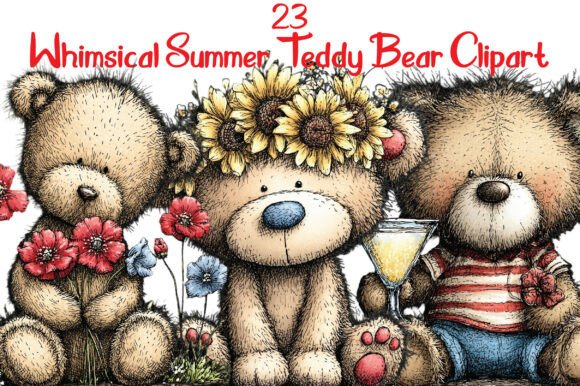
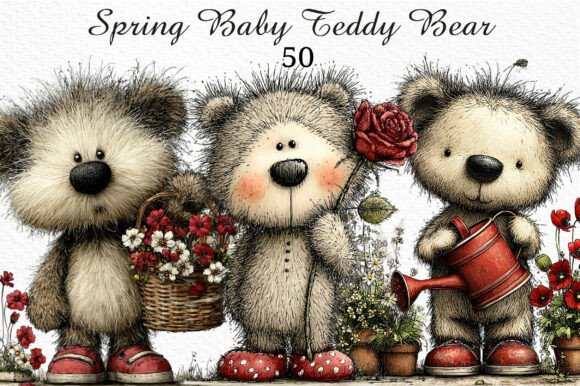
There's a particular quality to designs that feel genuinely warm—like a handwritten note or a well-loved toy. That's the core appeal of the Whimsical Spring Baby Teddy Bear Clipart collection. It's not just a set of images; it's a toolkit for injecting softness, nostalgia, and seasonal joy into your work. Each of the 50 hand-painted illustrations captures a gentle moment: a bear nestled in blossoms, holding a tiny flower, or wearing a spring accessory. The watercolor style gives them a textured, artisanal feel that feels personal rather than generic. For designers and creators, this kind of asset is about more than decoration—it's about establishing an emotional tone that resonates immediately.
Finding the Right Context for Whimsy
The strength of this clipart bundle lies in its versatility across mediums where warmth and approachability are key. In brand identity, these bears can soften a logo or become the centerpiece of packaging for baby products, organic goods, or boutique bakeries. Imagine a children's clothing tag or a nursery art print—the bears add a layer of storybook charm that stock photography often lacks. For digital creators, they're ideal for spring social media graphics, blog headers, or email newsletter banners, especially for brands in parenting, wellness, or lifestyle spaces. The transparent PNG backgrounds make them perfect for layering over textures or combining with other design assets without clashing.
In editorial design and publishing, these illustrations can elevate a baby shower invitation, a children's book cover, or the chapter pages of a planner. They work beautifully in packaging design for products like handmade soaps, candles, or stationery, where a tactile, crafted feel is part of the appeal. Even in web design, they can serve as playful section dividers, icon replacements, or featured images that break up text-heavy layouts with bursts of color and personality. The key is to use them where their whimsical nature supports the message rather than distracts from it—they're best suited for audiences seeking comfort, care, and a touch of innocence.
How This Style Influences Perception and Engagement
Visual elements like these bears do more than fill space; they shape how an audience feels about a brand or project. The soft watercolor style and gentle subject matter convey warmth, trustworthiness, and creativity. In a crowded digital space, that kind of emotional resonance can improve audience engagement—people linger on visuals that feel human-made and intentional. For small businesses, using consistent, high-quality creative assets like this clipart can build brand recognition. A bear motif used across a product line, social media, and packaging becomes a recognizable signature, much like a distinctive handwritten font or color palette.
From a practical standpoint, the 300 DPI resolution ensures the illustrations remain crisp in print, which is crucial for professional results on merchandise, stationery, or marketing materials. When incorporating them into designs, consider their role in visual hierarchy. A bear holding a flower can draw the eye to a call-to-action on a flyer, or a cluster of bears can frame text on an invitation. They pair well with clean, simple sans serif fonts for contrast, or with script fonts for a cohesive, handcrafted look. Testing these combinations is essential—the bears should complement, not compete with, your typography.
Practical Guidance for Implementation
Before diving in, evaluate whether the style aligns with your project's goals. This clipart excels in contexts targeting families, children, or anyone seeking a soft, nostalgic aesthetic. It might not suit minimalist corporate branding or high-tech industries, but for spring promotions, baby products, or artisanal goods, it's a natural fit. When selecting your illustrations, think about variety—the bundle includes bears in different poses and settings, so choose ones that reflect your specific needs, whether it's a bear with a bouquet for a florist or one with a tiny hat for a children's boutique.
When integrating these assets, maintain consistency. Use the same color grading or filter across all your materials to ensure the bears feel like part of a unified system. If you're creating a series of social media posts, for instance, apply the same overlay or border style to each image. For font pairings, avoid overly ornate or aggressive typefaces. A rounded sans serif font often works well for readability and harmony, while a casual script font can echo the handwritten quality of the illustrations. Always test your combinations at the intended size—what looks balanced on a screen might need adjustment for print.
Finally, consider the licensing and file formats. The PNG files with transparent backgrounds offer flexibility for both digital and print use, but always review the terms for commercial projects, especially if you plan to sell merchandise featuring the bears. Organizing your assets by theme or color can streamline your workflow, especially if you're using them across multiple projects. Keep in mind that while the bears are charming, they should enhance your design's purpose, not overshadow it. A well-placed illustration can tell a story, but too many can clutter your message.
In the end, the Whimsical Spring Baby Teddy Bear Clipart is about adding a layer of joy and craftsmanship to your work. It's a reminder that design can be both functional and delightful, connecting with audiences on a human level. Whether you're crafting a logo, designing a planner, or building a brand's visual language, these assets offer a way to make your projects feel more personal, more seasonal, and more full of life.